Pain isn’t something to fear, it’s something to understand
Week 5 of the Move Better Christmas Challenge is here!
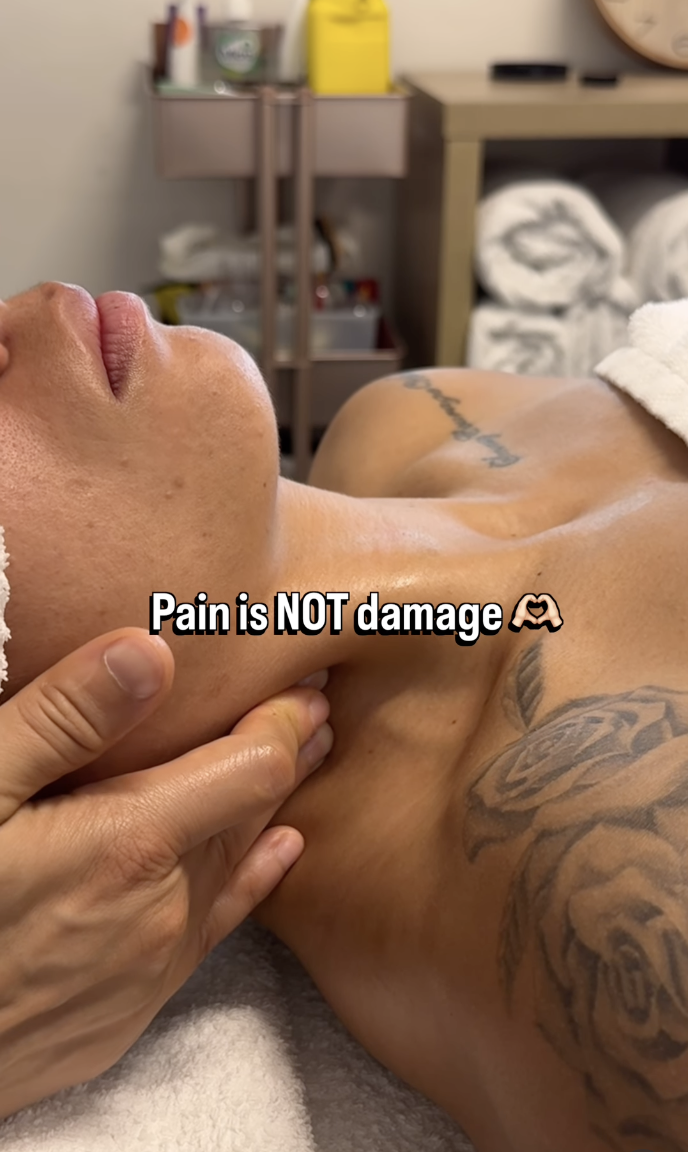
Pain is one of the most misunderstood parts of the human body.
By Roxy, Sports Remedial Massage Therapist and Personal Trainer – Move Better with Roxy, Brisbane.
Most people think pain means something is wrong, something is damaged, or something needs to be avoided at all costs.
But as a remedial massage therapist and movement coach in Brisbane, I see this every day:
Pain isn’t the enemy. Pain is information.
Pain is your body’s way of saying:
“Something is off, please pay attention.”
Understanding pain (instead of fearing it or ignoring it) is one of the most powerful things you can do for your movement, your training, and your long-term health.
Let’s break it down in a simple, practical way.
What pain actually means (and what it doesn’t)
Pain is a protective signal, not a punishment. It’s your body’s attempt to keep you safe, not stop you from living your life.
Pain can be triggered by several factors, including:
1. Mechanical overload
This is the classic one:
poor technique
repeated strain
weak end ranges
mobility limitations
suddenly doing too much, too soon
2. Nervous system protection
Your brain steps in when it senses:
instability
fatigue
poor joint control
threat or danger
lack of strength in end ranges
This is why people with “good mobility” can still feel stiff, the nervous system doesn’t trust the range.
3. Lifestyle factors we underestimate
Pain is strongly influenced by:
poor sleep
dehydration
stress
under-fueling
mental load
emotional overwhelm
Your body doesn’t separate “physical pain” from “life stress.” It all adds up.
So… what pain Isn’t
Pain is NOT a sign you must:
stop training forever
push through until it becomes unbearable
stretch the painful area endlessly
wait for it to magically disappear
assume something is “damaged”
Pain isn’t always about structure. It’s about capacity, load, and tolerance.
Ignoring pain rarely works. Understanding pain? That’s where the magic happens.
Why Listening to Pain Early Is a Superpower
The earlier you respond to pain, the faster you recover, and the less likely it becomes a long-term issue.
When you pay attention early, you can make small adjustments like:
changing your technique
adjusting load or range of motion
modifying your training volume
doing strength-based mobility
improving recovery or hydration
addressing weak links
reducing stress for a day
These tiny changes often fix what would otherwise become a big setback.
This is exactly what I teach inside my clinic:
Move better → understand your body → reduce pain → live better.
Common question: “Should I stop training if something hurts?”
Not necessarily.
The better question is:
“Can I adjust what I’m doing so the movement feels safe and controlled?”
Pain during a movement doesn’t always mean the movement is harmful, it means your body wants the load, technique, or range to change.
Modify → don’t quit.
That’s how you stay consistent, safe and progressing.
Pain, mobility & strength: how they’re connected
Most recurring pain is linked to:
weak end-range control
limited mobility (especially hips, spine, shoulders)
poor load tolerance
overly fatigued tissues
instability or compensation patterns
This is why strength-based mobility is such a game changer.
When you improve:
joint control
mobility you can actually use
end-range strength
movement efficiency
…your pain decreases and your performance skyrockets.
That’s how you move better and live better.
To tie everything together, here’s a simple, powerful challenge:
Pick ONE thing your body has been telling you, and respond to it.
Examples:
Adjust your squat depth
Slow your tempo
Strengthen a weak link
Add one mobility drill to your warm-up
Drink more water
Go to bed 20 minutes earlier
Take a walk to reduce stiffness
Reduce stress with 3 minutes of breathing
One small response → big long-term change.
✨ Want to go in the draw for a FREE 45-minute massage?
👉 Pick one thing you want to focus on from above
👉 Tag @movebetterwithroxy
👉 Use #MoveBetterChristmasChallenge
Here are all the details you need to know.
Simply:
Read the email and try the drills
Post a picture of you doing them (or share the reel of me doing them) to your story.
You are in the draw
Each tag = an entry to win a 45-minute remedial massage.
